Integrity risk refers to the threat to the reputation and profitability of your business due to people-related incidents such as misconduct, bullying and sexual harassment, anti-competitive behaviour, bribery and corruption, inappropriate use of social media, breaches of privacy, conflicts of interest, fraud and whistle blower mistreatment. Managing it is now a critically important element of a comprehensive compliance program.
What Is Integrity Risk?
All businesses, small and large, manage a wide range of risks that could potentially impact on their reputation and profitability. In recent years these risks have increased. Whilst the growth of cyber-crime is an obvious example, another risk has intensified due to changes in legislation and heightened societal expectations in response to corporate scandals, employee and player misconduct, royal commissions and the #metoo movement. This risk, defined as integrity risk, is now a critically important element to manage within a comprehensive compliance program. Integrity risk refers to the threat to the reputation and profitability of your business due to people-related incidents such as misconduct, bullying and sexual harassment, anti-competitive behaviour, bribery and corruption, inappropriate use of social media, breaches of privacy, conflicts of interest, fraud and whistle blower mistreatment.
Why Does Managing Integrity Risk Matter?
Integrity risk carries serious consequences for businesses and employees, including fines, civil penalties and criminal charges, damage to your brand and reputation, people turnover and impacts on company culture. To help protect against integrity risks, businesses need to ensure that they are compliant with their legal and regulatory obligations and have effective policies and procedures in place that align with their values, goals and objectives. Critically, they must also ensure that employees understand and adhere to those policies and procedures. While some businesses have launched policies covering some elements of integrity risk, many of these policies are not up to date, difficult for their employees to access or often have not been attested by their employees to confirm their understanding of the policies. This leaves businesses more vulnerable to an integrity risk event. Very often, it is only after experiencing an integrity risk issue that a business realises the need to have an effective integrity risk program in place.
How Do You Manage Integrity Risk Effectively?
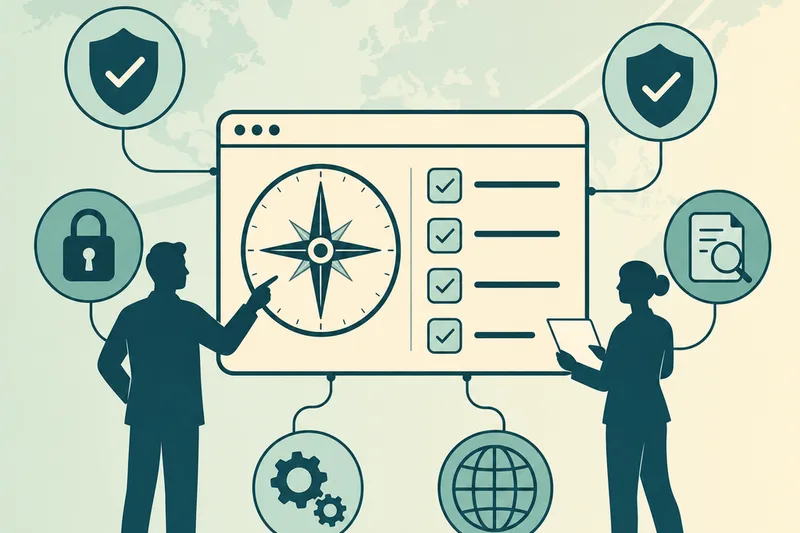
Understanding this growing challenge for business, and drawing on combined experiences of working as corporate executives and integrity risk specialists, the co-founders of Corethix have developed an online and fully integrated software platform that allows businesses to quickly and easily create a centralised one-stop integrity risk program.
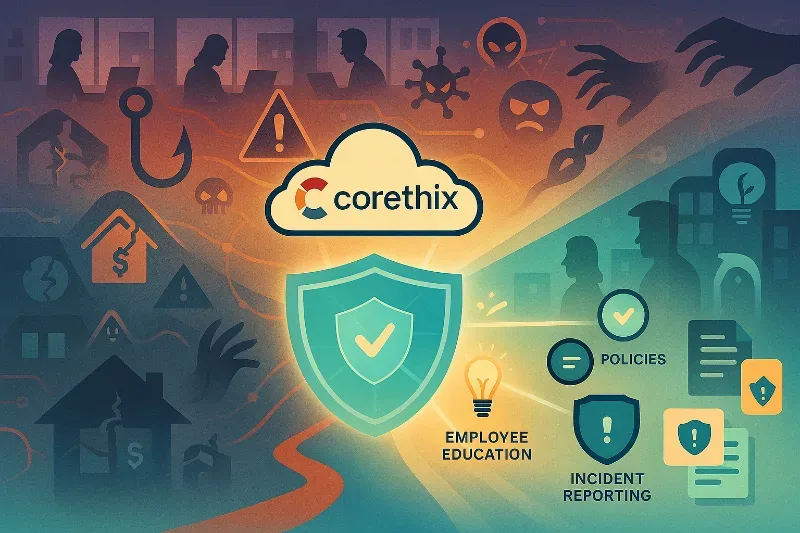
The Corethix software platform includes up to date policy templates, pre-configured policy surveys, conflict of interest registers, gift and entertainment registers and incident reporting tools which are included as modules in the software. This enables businesses to quickly and easily create policies and configure surveys, registers and incident reporting functions, while providing a single, user friendly online source for employee access.
How Do You Measure the Effectiveness of an Integrity Risk Program?
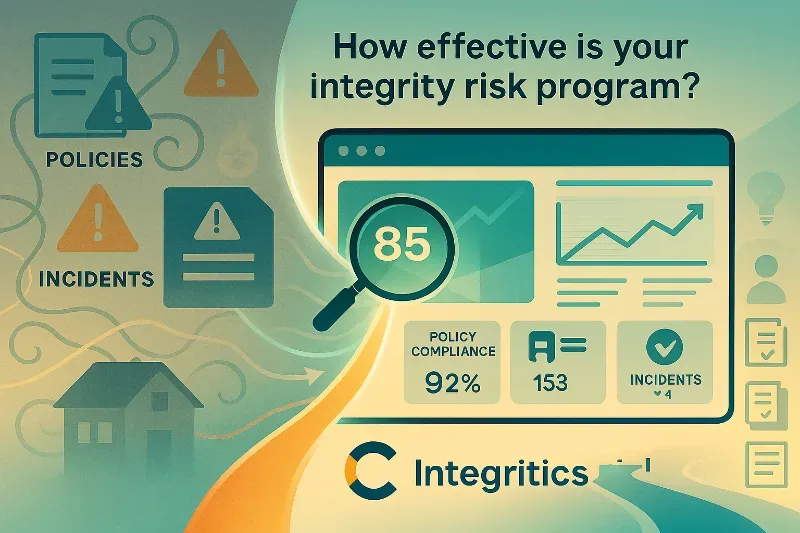
Built in to the Corethix software platform is a dynamic reporting dashboard which provides the business manager with details of policies that need to be checked for compliance, employees' attestation of policies, the results of employee policy surveys, employee conflict of interest and gift and entertainment declarations and the status of any incident reports that have been received. The dashboard also includes an Integrity Risk Index™ which is a calculation within the software database that provides a measure for businesses to simply, and accurately, know the effectiveness of their integrity risk programs. This can be used as a guide to improving compliance and employee engagement thereby increasing protection against integrity risk.
Frequently Asked Questions
What is integrity risk?
Integrity risk is the threat to the reputation and profitability of a business due to people-related incidents such as misconduct, bullying and sexual harassment, anti-competitive behaviour, bribery and corruption, inappropriate use of social media, breaches of privacy, conflicts of interest, fraud and whistle blower mistreatment.
Why has integrity risk become more important?
Integrity risk has intensified due to changes in legislation and heightened societal expectations in response to corporate scandals, employee and player misconduct, royal commissions and the #metoo movement. It is now a critically important element to manage within a comprehensive compliance program.
What are the consequences of poorly managed integrity risk?
Consequences for businesses and employees include fines, civil penalties and criminal charges, damage to brand and reputation, people turnover and impacts on company culture. Very often, it is only after experiencing an integrity risk issue that a business realises the need to have an effective program in place.
How can businesses protect against integrity risk?
Businesses need to comply with their legal and regulatory obligations and have effective, up-to-date policies and procedures that align with their values, goals and objectives. Critically, they must ensure employees can access, understand, attest to and adhere to those policies, ideally through a centralised, fully integrated integrity risk program.
What is the Integrity Risk Index?
The Integrity Risk Index is a calculation within the Corethix software database that provides a measure for businesses to simply and accurately know the effectiveness of their integrity risk programs, and can be used as a guide to improving compliance and employee engagement.